




















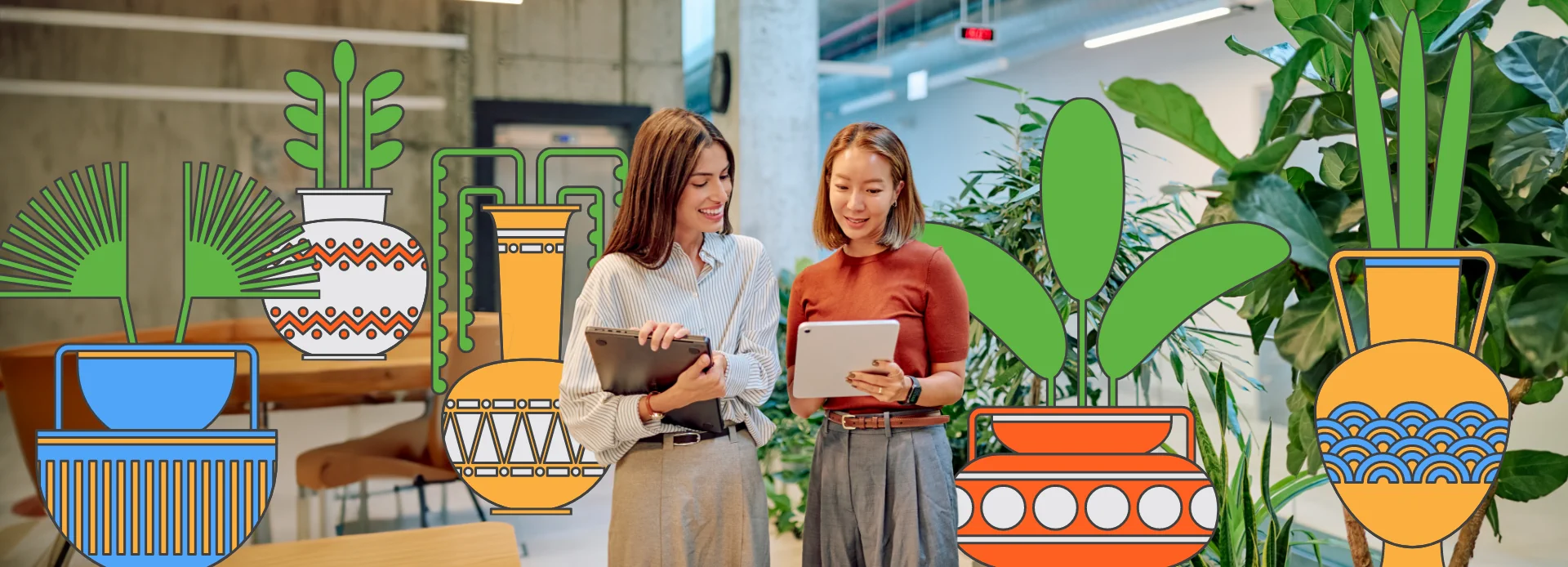

Office Plants
List of Recommended Office Plants
Office design has evolved dramatically over the last decade, but one element remains consistently valuable: plant life. Whether in a corporate building, small business, or home workspace, incorporating some greenery into your office environment delivers both aesthetic and functional benefits. The right office plants can transform a sterile room into a calming, productive, and visually appealing workspace while also improving air quality, wellbeing, and employee satisfaction.

Today, businesses no longer view greenery as optional décor. Adding plants is now widely recognized as a simple, cost-effective way to create a healthier office atmosphere, reduce stress, and support focus throughout the workday. With so many indoor plants available, choosing the best office plants requires an understanding of light conditions, maintenance needs, and spatial design.
This guide covers the most reliable, adaptable, and visually striking options for any professional office space, regardless of size or lighting.
Why office plants still matter in the workplace
Plants in workspaces deliver numerous benefits that extend far beyond decoration. Studies consistently show that greenery supports mental health, reduces fatigue, and increases productivity. Simply seeing green leaves throughout the day helps lower stress levels and contributes to a sense of positive energy.
One of the most valuable advantages of office plants is their impact on air quality. Through natural processes, plants absorb carbon dioxide and release oxygen, helping refresh stale indoor air. Many species also act as a natural air purifier, filtering toxins commonly released from furniture, printers, and cleaning products.
Beyond air purification, greenery helps regulate humidity, reduce background noise, and visually soften hard architectural lines. Even introducing one plant per desk can noticeably enhance comfort and mood.
Choosing the right office plants
Selecting the best indoor plants for professional environments depends largely on environmental conditions. Most offices present challenges such as artificial light, inconsistent watering schedules, dry air, and temperature fluctuations. These factors explain why office plants die so often when poorly matched to their surroundings.
Before selecting new plants, it’s important to evaluate:
- Amount of natural light
- Presence of indirect light, bright indirect light, or very low light
- Window orientation, including south facing window or north facing windows
- Airflow from HVAC systems
- Available floor and wall space
While most plants require specific conditions to thrive, many modern popular indoor plants are highly adaptable and tolerate a wide range of light and humidity levels.
Best office plants for low light conditions
Many workplaces rely heavily on overhead lighting and receive little direct sunlight. Fortunately, several hardy plant varieties adapt extremely well to low light and even very low light.
Snake plant
The snake plant is one of the most durable and widely used office plants. With upright blades and dark green leaves, it tolerates low light, survives under fluorescents, and needs only occasional watering. It also enhances air quality, making it a staple among the best office plants.
ZZ plant
The ZZ plant features thick, glossy leaves that store moisture efficiently. This trait allows it to survive long periods without watering, making it ideal for forgetful offices. It performs well in low light conditions and under artificial light, requiring minimal attention.
Cast iron plant
True to its name, the cast iron plant is famous for its resilience. It tolerates shade, irregular watering, and poor soil while maintaining attractive dark green foliage. This hardy plant works well in hallways, storage areas, and meeting rooms with limited light.
Chinese evergreen
The Chinese evergreen is valued for its patterned green leaves and adaptability to medium light and low light. It’s highly tolerant of indoor conditions and contributes subtly to improved air quality.
Office plants for medium to bright light
Spaces with access to larger windows and steady daylight offer greater plant variety. When positioned near sufficient natural light, many statement plants perform exceptionally well.
Fiddle-leaf fig
The fiddle-leaf fig is prized for its bold, sculptural form and oversized green leaves. When placed near a south facing window with bright indirect light, it becomes a stunning focal point in reception areas and open-plan offices.
Rubber plant
The rubber plant is another standout choice for brighter areas. Its broad, glossy leaves range from deep green to near-black and tolerate medium light to bright filtered sun. It also adapts well to typical indoor humidity.
Swiss cheese vine
The Swiss cheese vine adds visual character with its distinctive perforated leaves and climbing growth habits. Trained along supports, it functions beautifully as a trailing plant in collaborative zones or lounges.
Dragon tree
The dragon tree combines architectural structure with impressive toughness. It tolerates a wide range of lighting conditions and thrives even under fluorescent lights. Its slender trunk and spiky foliage offer a striking contrast among softer plant varieties.
Blooming plants for offices
While foliage dominates professional interiors, blooming plants introduce color, warmth, and emotional lift. Used strategically, flowering greenery enhances morale and visual interest.
Peace lilies
Peace lilies are among the great office plants for both beauty and function. Their graceful white colorful blooms stand out against glossy green foliage. They tolerate low light, help purify indoor air, and thrive with consistent moisture.
African violet
The African violet is ideal for desks, shelves, and small meeting rooms. It prefers bright indirect light and produces long-lasting flowers in vibrant hues. Its compact size makes it easy to integrate into smaller office space designs.
Prayer plant
The prayer plant is admired for its patterned leaves and gentle movement. It thrives in medium light, adds visual interest at eye level, and responds well to stable humidity.
Hanging and trailing office plants
Vertical greenery has become a staple in modern interiors, especially where floor space is limited. Hanging displays and trailing plant varieties introduce visual depth while maximizing spatial efficiency.
Spider plants
Spider plants are among the easiest office plants to maintain. They adapt to low light, tolerate brighter conditions, and survive under artificial light. Their arching leaves and offshoots look especially attractive in hanging baskets.
Air plants
Air plants eliminate the need for traditional pots and soil. They absorb moisture from the air and need only occasional misting. These unique indoor plants suit modern, minimalist office installations and creative wall displays.
Parlor palm
The parlor palm thrives in indirect light, adds soft texture with arching fronds, and tolerates dry air. It remains a favorite for reception areas and quiet working zones.
Vertical gardens and living walls
One of the most visually impactful applications of office greenery is the use of vertical gardens. Living walls integrate multiple foliage plant types, water plants, and trailing species into structured panels that span entire walls.
Besides creating strong visual identity, vertical gardens dramatically improve air quality, regulate humidity, and reduce background noise. Proper irrigation and drainage systems are essential to prevent root rot and ensure long-term plant health.
Living walls also demonstrate a company’s commitment to sustainability and employee wellbeing, making them a powerful branding element in modern offices.
Maintenance and long-term plant health
Even the best plants require basic care to remain healthy. Most plant problems stem from improper watering, insufficient light, or poor airflow.
Watering
Overwatering is the most common mistake and the primary cause of root rot. Always use containers with proper drainage and allow excess water to escape. Many of the best office plants prefer dry soil between watering sessions.
Light placement
Each species has specific light needs. North facing windows suit shade-tolerant plants, while brighter positions benefit sun-loving varieties. Without enough light, even healthy plants will weaken over time.
Cleaning
Dust accumulation blocks light and hinders photosynthesis. Cleaning leaves gently with a damp cloth every few weeks keeps surfaces clear and supports healthy respiration.
Temperature
Avoid placing plants near vents where sudden temperature fluctuations can cause leaf drop, dehydration, and stress.
Psychological and health benefits of office plants
The sensory presence of greenery influences both physical and mental wellbeing. Exposure to plants reduces workplace stress, improves memory retention, and supports emotional balance. In high-pressure environments, even minimal exposure to greenery helps moderate heart rate and blood pressure.
Employees working among many plants often report improved mood, greater job satisfaction, and enhanced creativity. The visual softness of natural forms helps counteract the rigidity of screens, desks, and artificial lighting.
Designing with office plants
Modern offices increasingly incorporate greenery into structural design rather than treating it as an afterthought. Designers integrate planters into furniture, shelving, wall partitions, and common areas to ensure plants thrive indoors and remain accessible for care.
Blending multiple plant types creates visual layering:
- Floor plants for structure
- Desk plants for personal comfort
- Hanging plants for vertical interest
- Feature trees for visual anchors
This integrated approach prevents overcrowding while allowing all the plants to contribute to a cohesive design.
Preventing common office plant problems
Even with careful selection, plant failure can occur without proper systems. The most frequent issues include:
- Inconsistent watering
- Insufficient light
- Lack of drainage
- Poor air circulation
- Dirty foliage
- Overcrowding
Too many plants placed in tight groupings restrict airflow and accelerate disease spread. It’s often better to distribute greenery evenly throughout the space rather than clustering every plant in one corner.
Matching plants to office culture
Every workplace is different. Some offices prefer bold, dramatic greenery, while others favor subtle, minimalist design. It’s entirely acceptable to start with one plant, observe how it performs, then gradually expand.
For low-maintenance environments, varieties such as the snake plant, ZZ plant, and cast iron plant are ideal. For creative spaces, flowering plants and trailing vines add personality and energy.
Employees with a green thumb may enjoy participating in plant care, turning greenery into a shared responsibility that builds connection among staff.
Choosing the best office plants is one of the simplest and most cost-effective ways to improve the modern office environment. From resilient low-light options to dramatic statement greenery, today’s popular indoor plants offer solutions for virtually every workspace condition.
When thoughtfully selected, properly placed, and minimally maintained, office plants enhance air quality, elevate mood, and create a healthier, more attractive workplace. Whether you’re introducing a single desk plant or installing full vertical gardens, the benefits of greenery remain both immediate and long-lasting.