



















Productivity Killers
7 Silent Productivity Killers
When most people think about productivity, they picture obvious obstacles: laziness, poor motivation, or not working hard enough. But in modern workplaces, the biggest productivity killers are often subtle, well-intentioned, and baked into how we work every day. These hidden drains don’t look like problems on the surface—yet they quietly reduce efficiency, increase stress, and chip away at overall productivity.

Below are seven unexpected productivity killers that affect employees, managers, and entire teams. Recognizing them is the first key step toward improving productivity, protecting mental health, and helping workers stay focused without burning out.
1. Being “always available” to co-workers
Open offices, chat apps, and constant notifications have transformed communication—but not always for the better. Many workers feel pressure to be instantly available to co-workers, managers, and other messages throughout the day. While this seems collaborative, it often leads to lost time and fragmented attention.
Each interruption forces the brain to switch context. Over a week, these small disruptions add up to hours of reduced efficiency. Even brief pings can make employees lose focus on difficult tasks, especially those that require deep work.
Ironically, the desire to be helpful creates one of the most common productivity killers: constant responsiveness. Instead of working smart, people end up reacting all day.
Why it hurts productivity:
- Breaks concentration and focus
- Increases mental fatigue
- Makes one task stretch across many hours
Setting expectations around response times, encouraging blocks of uninterrupted work hours, and using communication tools with proper use guidelines can dramatically improve employee productivity without harming collaboration.
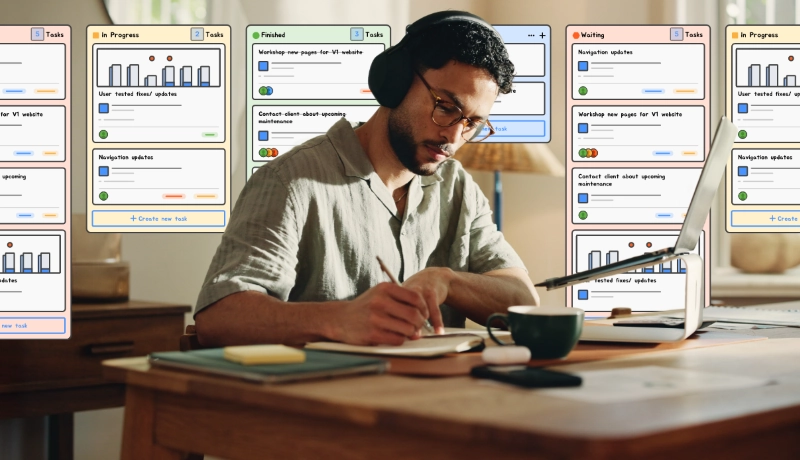
2. Overloading project management tools
Project management tools are meant to create clarity. But when a business uses too many tools—or uses them poorly—they become productivity issues themselves.
Many teams juggle dashboards, boards, documents, comments, and alerts across multiple platforms. Instead of simplifying tasks, workers spend time updating systems, checking statuses, and duplicating effort.
The result is more work, not less.
Unexpected problem:
When tools become the work, productivity drops.
This is one of the biggest productivity killers in technology-heavy workplaces. Tools should support strategic work, not replace it.
What helps:
- Fewer tools, used consistently
- Clear ownership of tasks
- focusing on key outcomes, not constant updates
Proper use of project management tools can increase productivity, but only when they reduce friction rather than add it.
3. Unnecessary meetings (& too many of them)
Meetings feel productive because they look like collaboration. But unnecessary meetings quietly drain hours from the week—often without clear outcomes.
Employees spend time preparing, attending, and recovering from meetings, which fragments focus and limits time for actual work. Even well-run meetings can disrupt momentum, especially when they interrupt deep work or strategic thinking.
This is one of the most widely researched productivity killers in business environments.
Common pitfalls include:
- Meetings without agendas
- Too many attendees
- Topics that could be handled asynchronously
While one on ones can be valuable, excessive meetings reduce how much time employees have for tasks that actually drive performance.
Fewer, better meetings—combined with intentional taking breaks—can improve efficiency and reduce stress across the team.
4. Digital distractions disguised as “quick checks”
Cell phones, social media, and constant online access create a steady stream of distractions that fragment attention. Most people underestimate how much time these quick checks consume.
A glance at a phone turns into scrolling. A notification leads to other messages. Over time, this creates lost time that’s hard to notice but easy to feel.
This habit impacts productivity in subtle ways:
- Makes it harder to stay focused
- Reduces ability to work on difficult tasks
- Increases signitive stress
For many workers, the phone is both a tool and a trap. Avoid distractions by silencing non-essential notifications, placing cell phones out of reach during focus periods, and creating intentional breaks rather than constant micro-interruptions.
This isn’t about removing technology—it’s about using it strategically.
5. Treating easy tasks as progress
Checking off easy tasks feels productive. Clearing emails, organizing files, and updating to-do lists create a sense of momentum—but they don’t always move the needle.
This is one of the most overlooked productivity killers because it feels good. Yet prioritizing easy tasks over important ones can delay meaningful progress for days.
What happens:
- One task leads to another low-value task
- Important work gets postponed
- The week fills up without real achievement
True productivity often requires tackling uncomfortable or strategic tasks first. Techniques like the Pomodoro Technique, time-blocking, or defining daily priorities help workers focus on what matters most.
Working hard isn’t the same as working smart—and confusing the two leads to reduced efficiency.
6. Poor sleep & ignored mental health
Sleep deprivation doesn’t just cause tiredness—it directly affects brain function, focus, and decision-making. Lack of quality sleep is a silent productivity killer across industries.
Research consistently shows that insufficient sleep leads to:
- Slower thinking
- More errors
- Lower emotional regulation
Over time, this impacts employee productivity, increases stress, and contributes to burnout. Mental health struggles amplify the problem, making it harder to concentrate, communicate, and perform consistently.
Most people don’t connect sleep with workplace productivity, but the link is undeniable. Supporting healthy work hours, realistic expectations, and a culture that values rest can dramatically improve performance.
Productive teams are rested teams.
7. Confusing activity with achievement
Modern workplaces reward visible busyness. Being active, responsive, and “on” can look productive—even when it isn’t.
This mindset leads to:
- Overpacked schedules
- Constant multitasking
- Little time for reflection or strategy
When employees spend all day reacting, they rarely achieve meaningful outcomes. This creates a cycle of working hard without progress, which fuels frustration and stress.
Breaking this pattern requires managers to redefine productivity around outcomes, not activity. Asking questions like:
- How much time was spent on high-impact work?
- What results were achieved this week?
Shifting focus from activity to achievement helps teams work more efficiently and sustainably.
How these productivity killers add up
Individually, these issues seem manageable. Together, they compound into major productivity issues that affect the entire workplace.
Across a typical week, workers lose hours to:
- Distractions
- Meetings
- Context switching
- Poor prioritization
Over time, this erodes performance, morale, and engagement. Most people aren’t failing due to lack of effort—they’re dealing with systems that work against focus.
The key is realizing that productivity isn’t about squeezing more work into each hour. It’s about creating the right conditions for focus, efficiency, and meaningful progress.
Let's turn awareness into action
Once you identify these common productivity killers, improvement becomes possible. Small changes can lead to significant gains:
- Limit distractions during focus periods
- Reduce unnecessary meetings
- Use tools intentionally
- Prioritize sleep and mental health
- Focus on outcomes, not busyness
Improving productivity doesn’t require radical overhauls. It starts with recognizing where time, energy, and attention are leaking—and plugging those gaps strategically.
In today’s business environment, productivity is less about pushing harder and more about removing friction. When teams eliminate hidden obstacles, they naturally become more productive, focused, and resilient.
Sometimes, the biggest breakthroughs come not from doing more—but from stopping the things that quietly hold us back.